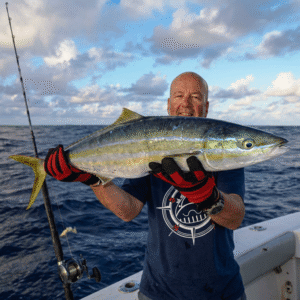
During a stay in Curaçao, eating grilled fish by the sea is often a top priority. However, between snapper, which is becoming harder to find, and tuna that has sometimes travelled farther than you just to reach your plate, making an eco responsible choice in Curaçao can quickly turn into a real puzzle, especially after your second margarita.
At The Little Green Boat, our commitment to the ocean goes beyond our boat trips. We believe that protecting coral reefs also starts on the plate. Here is our take on how to eat local, eat sustainably, and above all, avoid ending up with fish that should have stayed in the water.
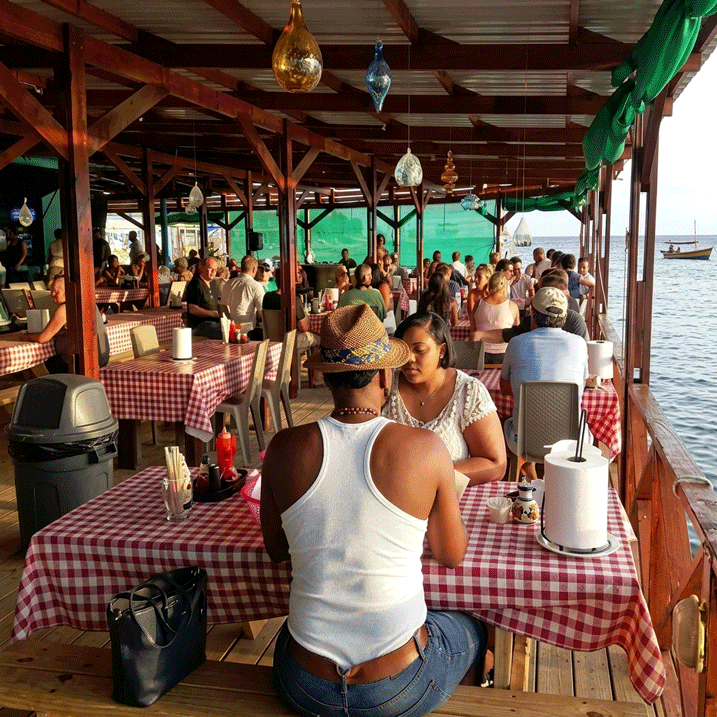
5 fish choices you can prioritise for better sustainability
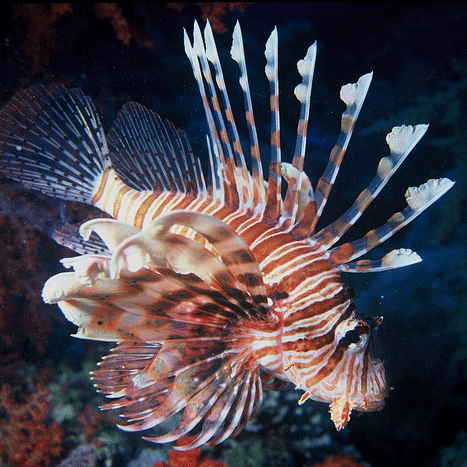
1. Lionfish: the delicious “serial killer” of the reefs
This is the number one choice, and arguably the most ethical. Why? Because it is an invasive species that eats its way through the ecosystem. In simple terms, it is basically the only fish where you are encouraged to order a second serving in the name of environmental protection. It is the ecological equivalent of doing a good deed by eating.
- Taste: white, delicate flesh, very similar to grouper.
- Where to try it: the go to place is Lionfish Caribbean. They are so committed that they even turn the fish spines into jewellery. It is hard to get more zero waste than wearing the leftovers of your dinner as earrings.
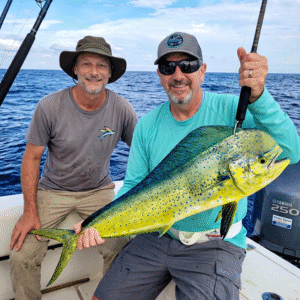
2. Mahi mahi: the star of the open waters
Unlike reef fish that take their time to mature, mahi mahi grows fast and reproduces early. It is the sprinter of the ocean, which makes it far more resilient to fishing pressure.
- Taste: firm, flavourful, and ideal for people who do not like fish that tastes “too fishy.”
- Where to try it: head to Jan Thiel, at Villa Vis or Brisa do Mar. It is fresh, local, and above all the ideal place to enjoy a proper seafood feast away from the bustle of large resort complexes.
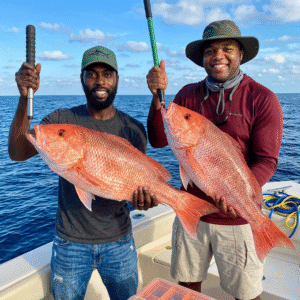
3. Red snapper: learning how to read the menu
This is where things get confusing. The word “snapper” is often used as a catch-all term on menus. If the server is vague about what kind it is, that is usually not a good sign.
- Golden rule: clearly identified snapper (local, daily catch)? Go for it. Anonymous, frozen snapper? Skip it.
- Where to try it: Kas Di Piskado Purunchi in Piscadera. No frills here: the fish goes straight from the boat to the kitchen. Any fresher and you would have to eat it underwater.
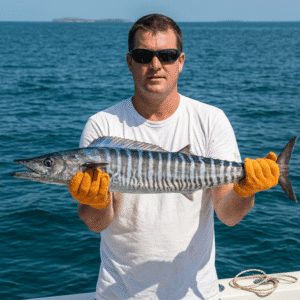
4. Wahoo: the steak of the sea
This migratory fish lives offshore and does not depend directly on the health of the reef. It is a resilient species, well suited for a hearty meal.
- Taste: very dense flesh. It is the preferred fish of people who, deep down, would have ordered a steak, but still want to stay within the “holiday seafood” theme.
- Where to try it: De Visserij in Piscadera. Be prepared to wait, there is often a queue, but it is worth it.
5. Rainbow runner: the underrated gem
The rainbow runner is the fish most tourists tend to overlook, but locals know its value. It is under far less fishing pressure than its more famous relatives.
- Taste: somewhere between tuna and mackerel. Rich in omega-3, ideal for helping you recover from sunburn from the inside out.
- Where to try it: to find rainbow runner, avoid overly touristy areas and aim for the more authentic spots. Your best bet is Plasa Bieu (Old Market) in Punda, where local cooks prepare it in a traditional way. You can also try your luck in the local snack bars around Spanish Water. If you have access to a kitchen, go early in the morning to the floating market in Willemstad and talk to the fishermen: if they caught some during the night, you will not find anything fresher on the island.
Species to avoid (please leave them alone)
Some species play too important a role in the balance of the ecosystem to end up on a grill:
- Grouper: it takes an extremely long time to grow. Eating one is a bit like cutting down a century old tree to make a toothpick.
- Shark: they already have enough problems as it is. On top of that, they are far more useful for keeping the reef ecosystem in balance than they would ever be in your stomach.
- Rays: they are stunning to observe while diving, and much less suited to being cut up on a plate.
- “Mystery” snapper: if no one can tell you where it comes from, there is a strong chance it should not be on your plate.
The captain’s advice
For responsible tourism, do not hesitate to ask the key question: “Is the fish fresh?” If the waiter looks at you like a stunned grouper, it is better to choose something else.
From plate to ocean
It is one thing to eat the right fish, but it is even better to see them alive. If you want to discover Curaçao’s biodiversity away from the crowds, join us for shore diving. We will help you identify what you are seeing underwater.
To end the day on a high note, with minimal effort, join us for a sunset boat trip. We will use an hydrophone to listen to the underwater soundscape. Spoiler: they are not talking about what is on the menu, but the sound of a healthy reef is far more calming than any Spotify playlist.
By making informed choices when ordering fish in restaurants, you help keep the ocean full of life. And that is a pretty good reason to raise a toast, isn’t it?